

Blogs
Quick Navigation
7 Luxury Interior Design Trends in Malaysia for 2026
Luxury interior design in Malaysia has shifted decisively. For years, high-end homes were defined by imported marble, chandelier centrepieces, and ornate detailing, signals of wealth that prioritised spectacle. In 2026, Malaysian homeowners are asking for something more considered: spaces that feel genuinely liveable, quietly refined, and personally meaningful.
This evolution is visible across the Klang Valley’s most sought-after addresses. Whether in a penthouse overlooking KLCC, a landed bungalow in Kota Kemuning, or a semi-detached home in Setia Alam, the luxury interior design brief has changed. Premium materials, thoughtful spatial planning, layered lighting, and bespoke craftsmanship are the new benchmarks, not extravagance for its own sake.
At Surface R, we have observed these shifts across our completed projects throughout Kuala Lumpur, Shah Alam, Petaling Jaya, and the wider Klang Valley. The seven trends below are not predictions, they are directions we are actively designing with right now, informed by real client briefs and completed interiors in the Malaysian market.
1. Modern Warm Minimalism
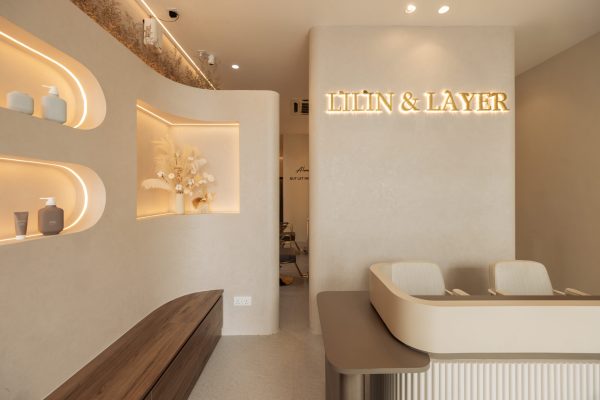
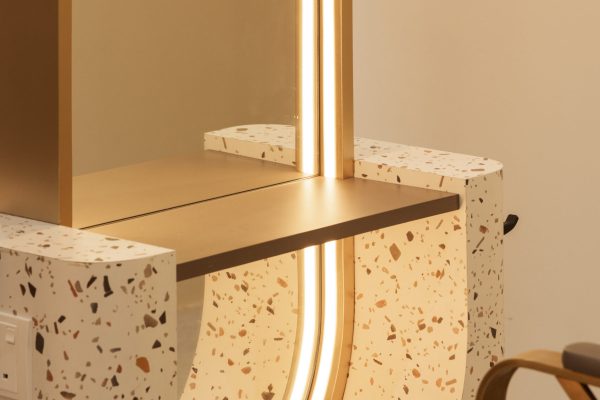
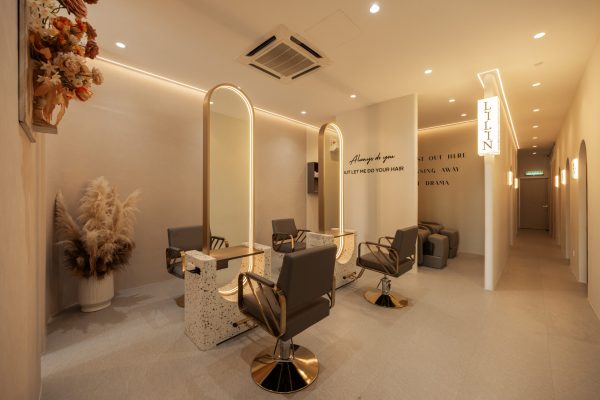
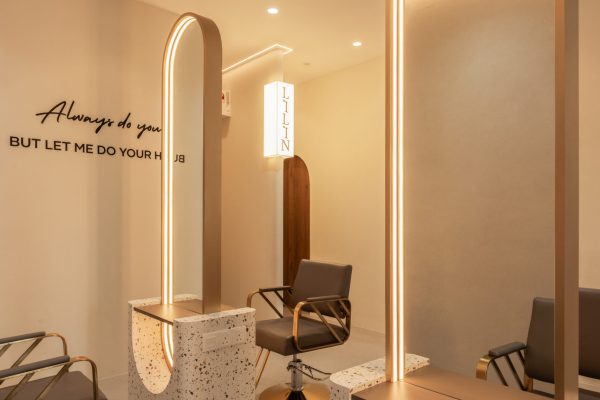
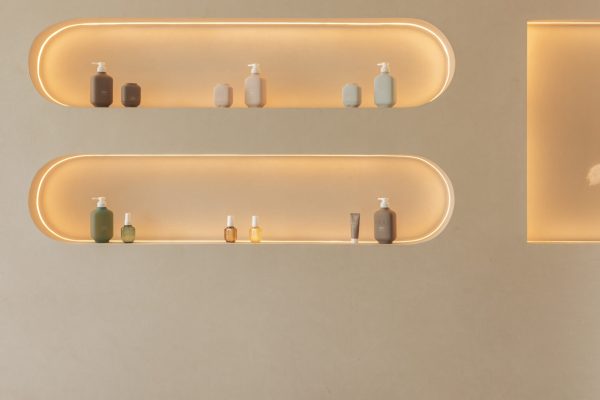
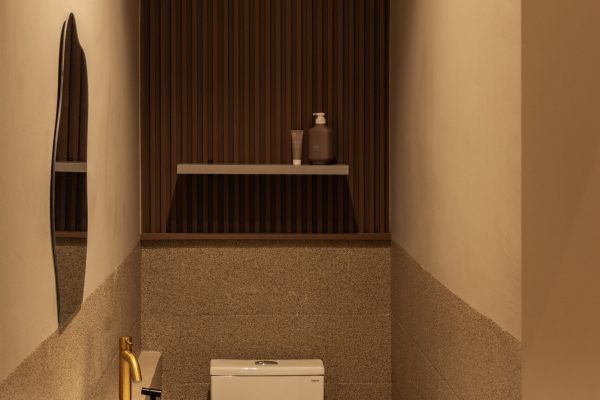
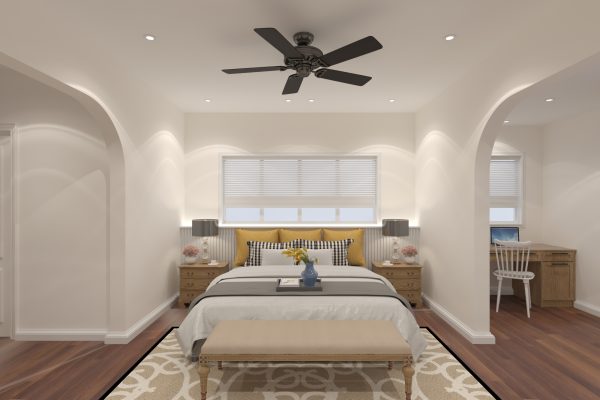
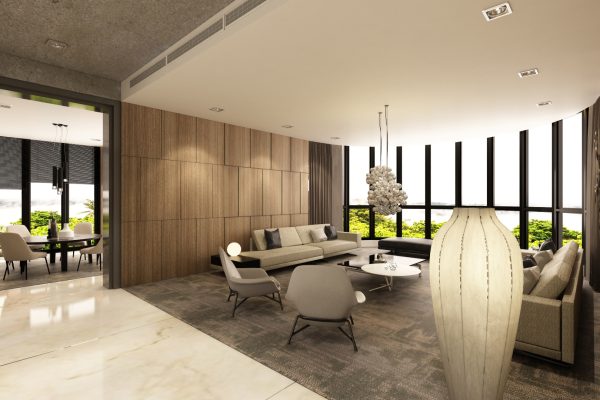
Warm, earthy palettes are shaping a softer interpretation of luxury, moving away from overly stark interiors. Tones such as beige, taupe, and muted browns create a grounded atmosphere that feels calm, inviting, and timeless.
When paired with timber finishes and soft ambient lighting, the space achieves depth through subtle layering. The overall composition feels balanced and comfortable, allowing the design to remain elegant without relying on strong contrast.
Why it works for Malaysian homes
Malaysia’s equatorial light is warm and diffuse. Cool, high-contrast interiors can feel harsh and uncomfortable in this environment. Warm tonal palettes work with natural light rather than against it, creating spaces that feel inviting at all hours, not just in artificially lit evening settings.
How to apply this in your home
Start with a warm neutral base (walls, flooring, ceiling coving) before adding texture through built-in joinery, upholstered seating, and layered soft furnishings. Avoid mixing too many tones, restrict your palette to three or four complementary earthy hues and let material variation create visual interest instead.



2. Dark Contemporary Luxury
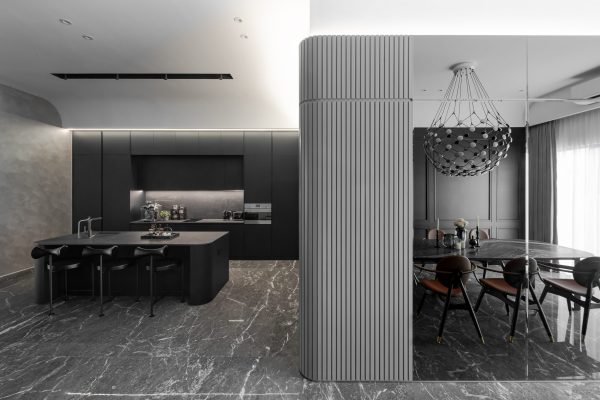
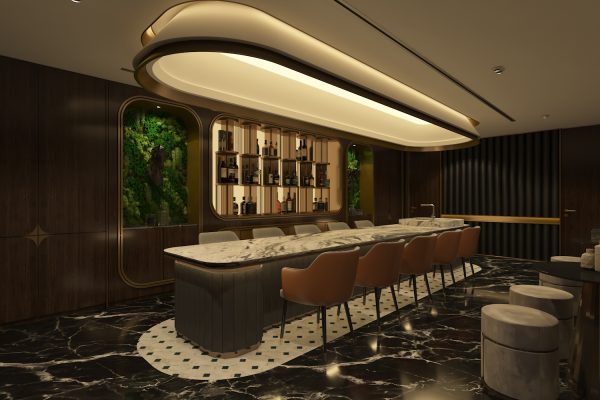
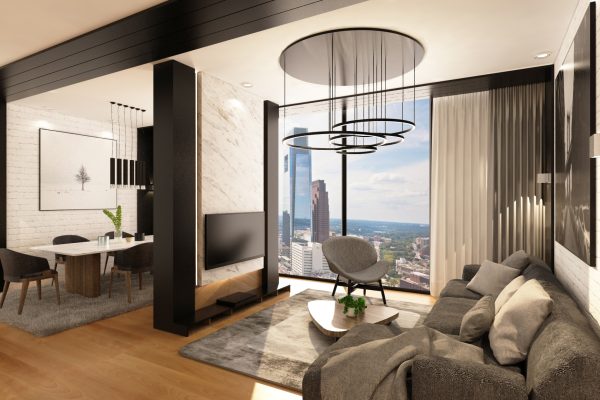
Darker interiors introduce a sense of depth and intimacy, using tones like charcoal, deep grey, and espresso to create a strong visual presence. This approach gives the space a refined and dramatic character.
Lighting plays a crucial role in balancing the palette. Warm highlights and controlled illumination prevent the space from feeling heavy, allowing the darker tones to feel sophisticated rather than overpowering.
Why it works for Malaysian luxury homes
Malaysian high-rise condominiums in Kuala Lumpur, particularly in Mont Kiara, Bangsar South, and KLCC, often feature large glazed openings and city or skyline views. Dark interiors perform exceptionally well in these settings, creating a strong visual counterpoint to the bright external view and amplifying the sense of enclosure and intimacy.
How to apply this in your home
Dark palettes work best when balanced by warm lighting and a limited number of high-contrast materials. Avoid dark ceilings in rooms with limited ceiling height. Use dark finishes on joinery and wall panels, and contrast with lighter flooring (light stone or light timber) to maintain spatial legibility and prevent the room feeling enclosed.
3. Natural Modern Design
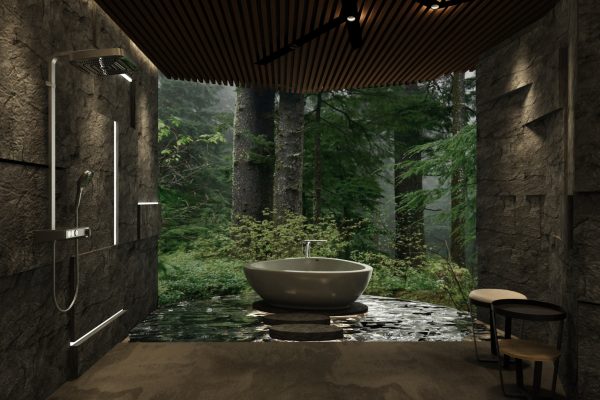
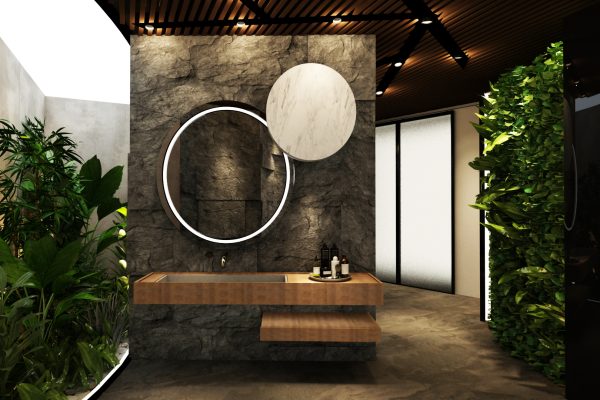
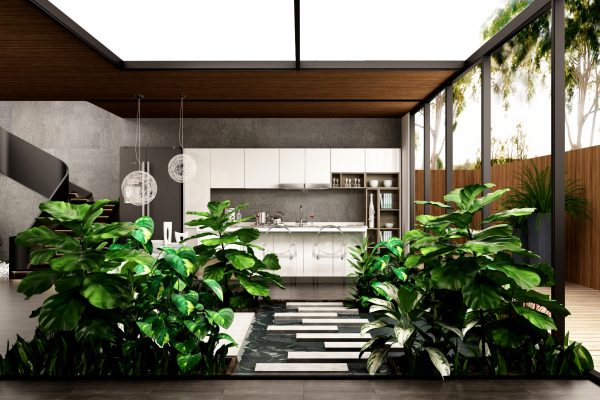
Luxury interiors are increasingly defined by authentic materials such as natural plants, stone, timber, and textured finishes. These elements add character through their imperfections and natural patterns.
Rather than concealing surfaces, the design highlights their raw qualities. This creates a tactile environment where materials contribute both visually and physically to the overall experience.


Why it works for Malaysian luxury homes
A decade of Instagram-polished interiors has created appetite for something more tactile and grounded. Malaysian luxury homeowners increasingly want spaces that feel unique, it is something that could not have been produced from a catalogue or replicated in the unit next door. Authentic materials, by their nature, are unrepeatable.
How to apply this in your home
Introduce natural materials through feature zones, a kitchen island in bookmatched marble, a bathroom cladded in natural stone, a living room feature wall in textured plaster or stacked timber cladding. You do not need to cover every surface, selective application creates impact without visual overwhelm.

4. Soft Geometry and Curved Contemporary Design
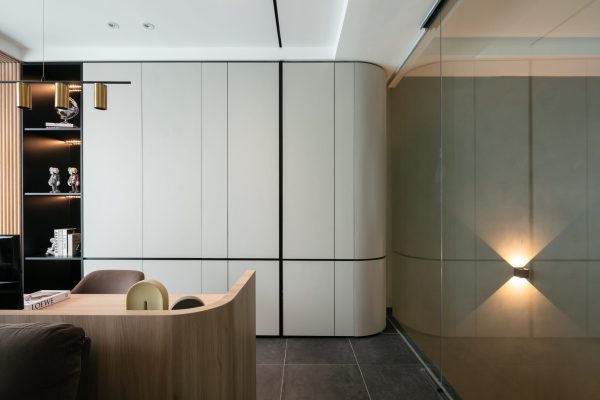
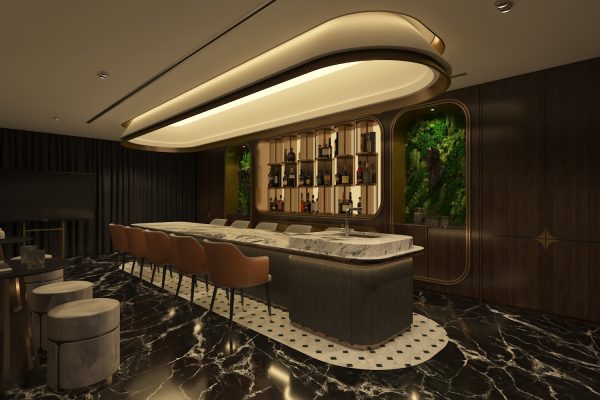
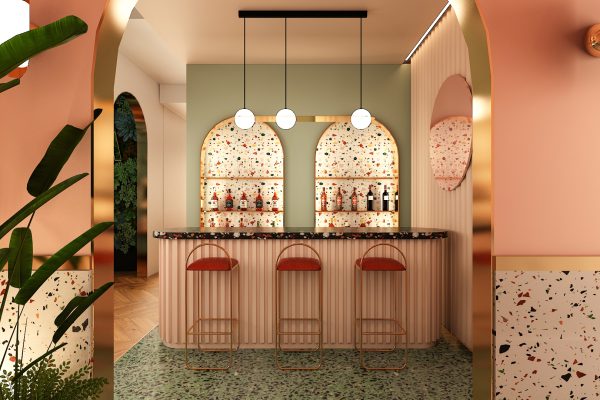
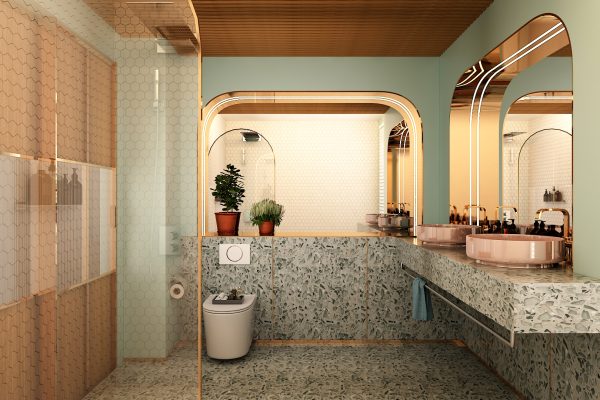
Curved forms introduce a sense of fluidity, softening the rigid lines often found in modern interiors. Gentle transitions between elements create a more natural and inviting flow.
Rounded furniture and subtle architectural curves add a sculptural quality to the space. This approach enhances comfort while maintaining a refined and cohesive aesthetic.
Why it works for Malaysian luxury homes
Malaysian residential interior design, particularly in high rise condominiums, has traditionally been shaped by rectilinear layouts and standard developer finishes. The growing popularity of curved interior design reflects homeowners’ desire to create more distinctive and personalised living spaces while working within the existing architectural structure. By incorporating soft curves, organic forms, and rounded design elements, homeowners can transform conventional condominium interiors into spaces that feel more sophisticated, inviting, and visually dynamic.
How to apply this in your home
For those exploring curved interior design in Malaysia, introducing curves through furniture is often the most practical starting point. A curved sofa, round coffee table, or arched mirror can instantly soften a space and create a more contemporary aesthetic. For a stronger design statement, custom curved joinery such as rounded wardrobe doors, arched wall niches, and softly contoured cabinetry can add architectural character while maintaining functionality.
5. Spatial Planning with Functional Luxury in Mind
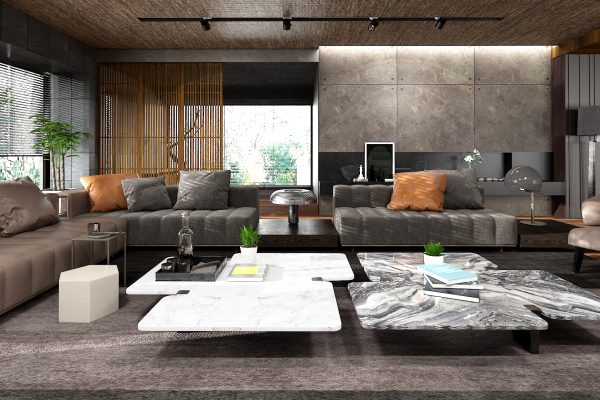
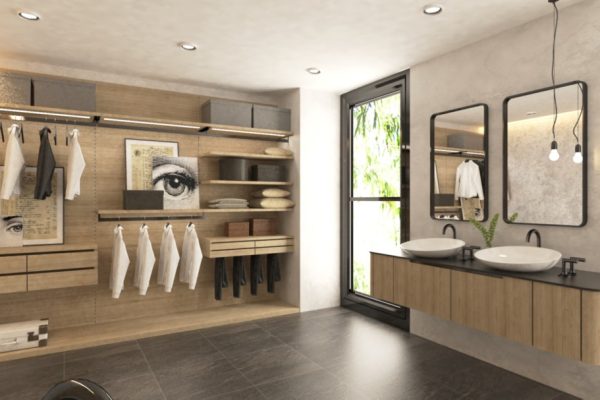
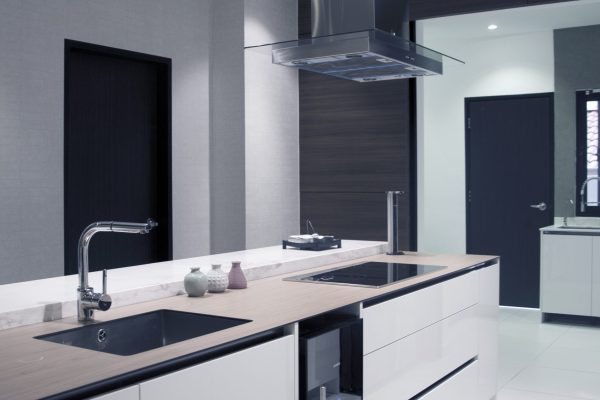
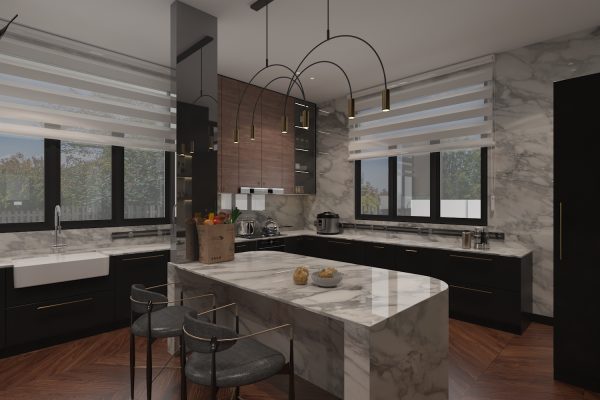
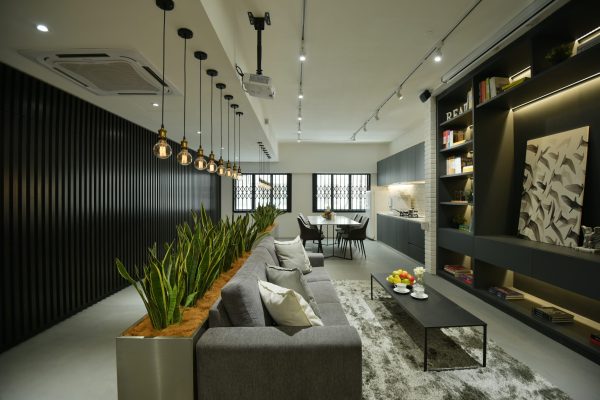
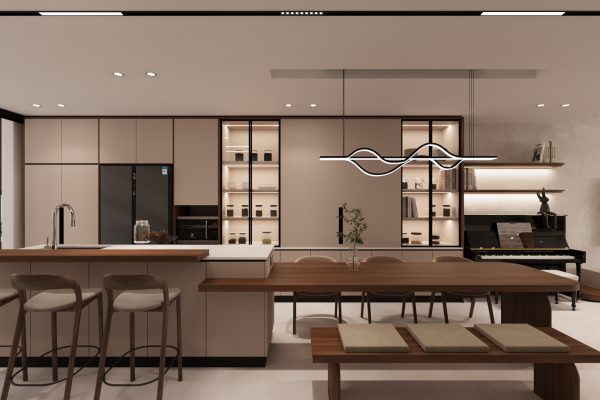
Luxury today is closely tied to functionality, where layouts are designed to support everyday living. Open spaces are carefully planned to maintain clarity while defining different zones.
Integrated storage and efficient circulation keep the environment uncluttered. The result is a space that feels effortless, where practicality and design exist in perfect balance.
How to apply this in your home
Before specifying any materials or finishes, invest time in the floor plan. Challenge every wall, every door swing, every circulation path. Ask whether each zone can perform more than one function. Good spatial planning reduces renovation costs by eliminating mistakes before they become physical.

6. Layered Lighting as an Architectural Feature
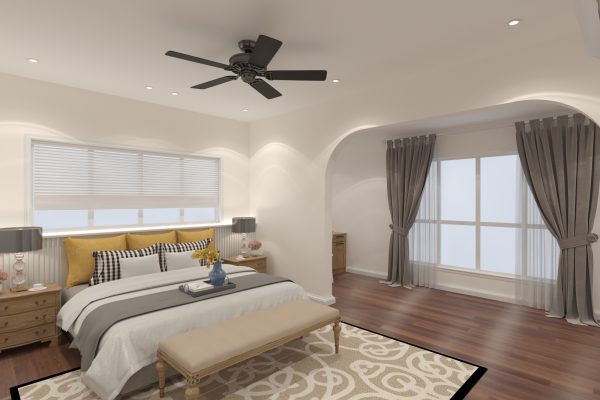
Lighting plays a crucial role in shaping the atmosphere of a space, going beyond basic functionality. Layered lighting strategies combine ambient, accent, and indirect sources to create depth and visual interest.
By highlighting textures and architectural details, lighting enhances the overall composition. It allows the space to shift in mood throughout the day, adding a dynamic quality to the interior experience.
How to apply this in your home
Commission a lighting plan at the same stage as your floor plan before the M&E works are confirmed. Retrofitting proper layered lighting after construction is expensive and often limited by what is structurally possible. Specify dimmable circuits and smart lighting control from the outset for maximum flexibility.
7. Biophilic Integration and Natural Influence
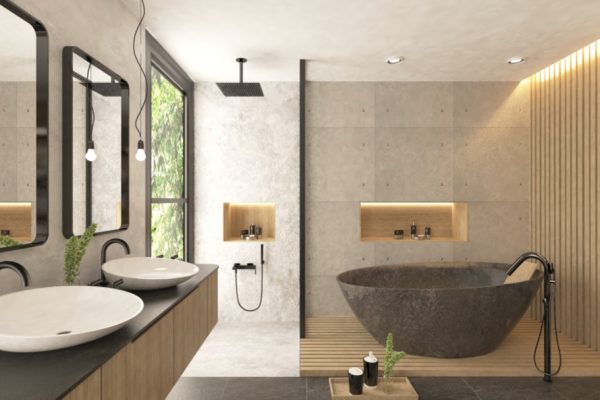
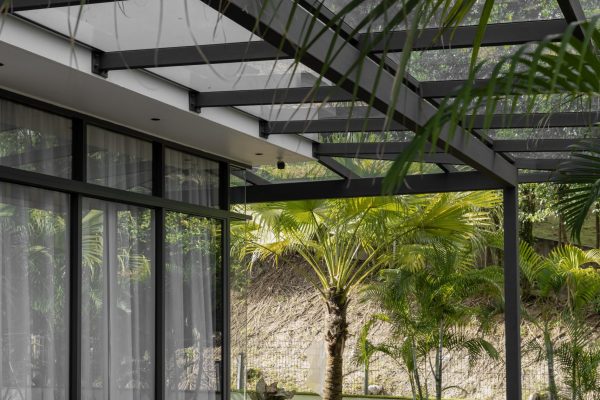
Bringing natural elements into the interior creates a connection to the surrounding environment. Natural light, organic materials, and greenery contribute to a calm and balanced space.
This approach enhances well-being by creating a breathable and relaxed atmosphere. The integration is subtle, ensuring the design remains refined while feeling connected to nature.
How to apply this in your home
Identify the best natural light sources in your home and design furniture placement and circulation to take advantage of them. Introduce plants at a scale appropriate to the space, a single large-specimen plant in a considered position often makes more impact than scattered smaller plants. Specify natural materials throughout the cumulative effect of timber, stone, linen, and rattan creates a biophilic baseline even before any actual greenery is introduced.
Conclusion
These seven trends share a common thread: luxury in 2026 is earned through restraint, intention, and craft rather than excess. Malaysian homeowners are investing in spaces that will look and feel as good in ten years as they do on handover day, spaces built around how they actually live, not how interiors are supposed to look.
Whether you are drawn to the warmth of modern minimalism, the drama of dark contemporary design, or the sensory richness of natural materials, the fundamentals remain the same. Start with exceptional spatial planning, invest in quality materials where they will be most noticed, and work with a design partner who has both the experience and the accountability to execute with precision.
Surface R has delivered award-recognised luxury interior design across Malaysia, from condominiums in Kuala Lumpur and Petaling Jaya to bungalows and landed homes in Shah Alam, Setia Alam, and Kota Kemuning. If you are ready to begin, explore our interior design portfolio or reach out to our team to discuss your project.
Conclusion
Luxury interior design today is no longer defined by how extravagant a space looks, but by how thoughtfully it is crafted to support everyday living. From warm minimalist palettes to layered materials and personalised detailing, each design direction reflects a shift towards spaces that feel timeless, functional, and deeply refined.
If you are planning to transform your home, Surface R offers luxury interior design Malaysia solutions that bring together thoughtful design, functionality, and lasting value, helping you create a space that feels refined and truly well designed. We have completed numerous luxury condominium projects in Petaling Jaya. Explore our interior design services in Petaling Jaya to learn more.
Frequently Asked Questions
Frequently Asked Questions
Interior design helps improve how a space looks and functions. A well-designed home creates better flow, improves comfort, and ensures that every area is used effectively based on how you live.
A modern and clean look can be achieved by using simple layouts, neutral colours, good lighting, and reducing visual clutter. Built-in storage and minimal decoration also help create a more refined appearance.
A home feels more luxurious when there is attention to detail, good lighting, quality materials, and a balanced layout. It is not just about expensive items, but how everything comes together to create a cohesive and comfortable space.
Yes, materials play a major role in defining the look and feel of a space. Different textures, finishes, and combinations of materials can change how a room feels, from warm and soft to sleek and contemporary.
Lighting is one of the most important elements in interior design. It not only affects visibility but also sets the mood, highlights design features, and enhances the overall atmosphere of the space.