

Blogs
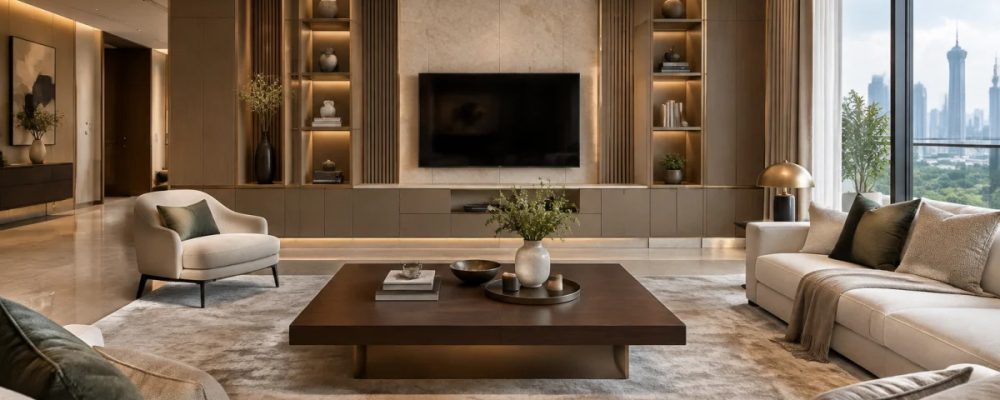
Should You Hire a Luxury Interior Designer in Malaysia?
Cost vs value: what you’re really paying for in high-end interior work
When people hear “luxury interior designer,” they often picture mood boards and expensive furniture. In reality, a well-run premium studio is closer to a system: design thinking, documentation, procurement discipline, and project management that reduces guesswork across dozens (sometimes hundreds) of micro-decisions. In my opinion, the value can be grouped into five buckets:- Better decisions earlier: layout, circulation, storage planning, and lighting strategy made before renovation starts—when changes are cheap.
- Fewer expensive revisions: drawings and specs that reduce on-site “interpretation.”
- Quality control: checking workmanship, alignment, finishes, and installation details that separate “renovated” from “resolved.”
- Time and mental bandwidth: fewer late-night WhatsApps, fewer site emergencies, fewer supplier follow-ups.
- A cohesive outcome: the home feels deliberate—from joinery lines to switch positions—not a collage of good ideas.
When hiring a luxury interior designer is usually worth it
Here are situations where, in my view, the cost-vs-value equation often swings toward hiring a high-end team.1) You’re doing a major renovation or full-home fit-out
The more trades involved (wet works, electrical, lighting, air-conditioning, custom carpentry, flooring, stone, metal, glass), the more you need integration. A premium designer who provides residential interior design and build support can coordinate drawings and sequencing so work doesn’t clash on site. Value signal: you’re not “just renovating.” You’re rethinking how the home works—storage, lifestyle zones, entertainment, or multigenerational living.2) Your home has expensive constraints
High-end homes often come with constraints that punish mistakes: large-format stone, feature ceilings, bespoke kitchen systems, integrated lighting, concealed doors, long spans of cabinetry, and custom metal/glass details. If the alignment is off by a few millimeters, you’ll see it forever. A luxury designer earns their keep when they anticipate these issues: where reveals should be, how shadows fall, how different materials meet, and how to detail corners, edges, and transitions cleanly.3) You want the home to feel “quietly expensive,” not obviously expensive
True high-end interior design isn’t loud. It’s proportion, restraint, and consistency. That’s harder than it sounds. If your goal is a timeless, polished home rather than a trend-driven look, a designer’s value is in editing: knowing what not to add, where to invest (e.g., lighting layers, carpentry detailing), and where to keep it simple.4) You’re short on time and decision energy
Luxury projects fail less from “bad taste” and more from decision fatigue. When every choice is delayed, the schedule and workmanship suffer—contractors rush, substitutes appear, and coordination breaks down. A strong studio reduces your decision load with curated options, clear drawings, and firm timelines—so you approve smarter, faster.When it might not be worth it (and what to do instead)
It’s also fair to say: not every homeowner needs a luxury designer. Here are scenarios where the premium route may be unnecessary.You’re doing a light refresh with minimal construction
If you’re repainting, changing loose furniture, updating curtains, and doing limited lighting changes, the ROI of a full-service team may feel low. You might be better served by a smaller scope: a layout consultation, a materials palette, or a focused carpentry design package.You have a clear, simple brief and strong personal involvement
Some homeowners are excellent client-project-managers. If you enjoy coordination, have reliable contractors, and can review shop drawings, samples, and site progress consistently, you may not need the full “end-to-end” system. My caution: be honest about your availability. Managing a high-end renovation is a part-time job at minimum.Your budget is already stretched by the property purchase
If your renovation budget is tight, adding premium design fees may reduce what you can actually build. In that case, it can be smarter to prioritise foundational upgrades (layout improvements, electrical planning, durable finishes) and phase luxury elements later. Cost discipline matters more than “prestige.” A reputable team should be able to advise on priorities, but if the numbers simply don’t work, scale the scope.A practical way to judge “value” before you sign
Because “luxury” is often marketed, you need a way to evaluate substance. Here’s a practical checklist you can use when meeting studios in the Klang Valley (and beyond). In my opinion, these are stronger indicators than a pretty portfolio alone.1) Ask what deliverables you will receive
Clarify the nuts and bolts. For a high-end home, you typically want:- Space planning and furniture layout options
- Detailed drawings for carpentry, wet works, electrical, ceiling, and lighting
- Material and finish specifications (not just “white marble-like tile”)
- Site coordination and milestone inspections
- Clear variation/change management (how changes are approved and priced)
2) Check how they manage cost and scope changes
High-end renovations commonly evolve midstream. The question is whether the process stays controlled. Look for a studio that discusses budgeting and change control calmly and specifically. If you’d like a deeper dive, you can review Surface R’s guide on cost management for high-end interior projects to understand how disciplined teams typically prevent budget drift.3) Evaluate their carpentry thinking (because that’s where luxury shows up)
In many Malaysian homes—especially condos and landed properties—bespoke built-ins are the backbone of a luxury result: wardrobes, kitchen systems, vanity storage, feature walls, and concealed utility zones. Ask how they approach joinery lines, internal storage planning, hardware selection, and how they avoid common problems (warping, poor alignment, mismatched grains/tones). This is where experience matters.4) Ask who is actually running your site
A premium fee should come with real execution. Ask who attends site meetings, who signs off shop drawings, and how often quality checks happen. If the team is stretched thin, you may experience slow responses and on-site improvisation.5) “Award-winning” can help—but only if you confirm relevance
The phrase award winning interior design malaysia is meaningful only when it correlates with the kind of work you need: high-end residential detailing, complex renovations, or integrated design-and-build delivery. Instead of treating awards as proof, treat them as a prompt to ask better questions: What category? What scope? Who was the project lead? What constraints did they solve?The decision: paying for confidence (not just a look)
If you’re building a long-term home—especially a landed property renovation or a luxury condo fit-out—the strongest reason to hire a premium interior designer is not aesthetics. It’s confidence in the outcome: fewer avoidable mistakes, clearer coordination, higher consistency in finishing, and less homeowner stress. But don’t hire “luxury” as a label. Hire a team with a method—one that matches your risk tolerance and the complexity of your renovation. If you’re still comparing options, it may help to read how high-end projects are assessed for readiness before work begins. Surface R has a useful overview on what makes an interior project good to go—a practical way to think about planning, scope clarity, and decision checkpoints. And if you want to see what “executed luxury” looks like in a real corporate environment (where planning and coordination are equally unforgiving), you can explore Surface R’s portfolio example: Valmont Corporate Shared Services, Mid Valley. Even though it’s a workplace, the lesson is transferable: details and sequencing determine quality.Conclusion
Hiring a luxury interior designer in Malaysia is “worth it” when your renovation has high stakes—complex trades, premium materials, tight timelines, and a standard of finishing you can’t afford to compromise. If your scope is light or your budget is constrained, consider a smaller engagement or phased approach. Either way, decide based on deliverables and process, not just portfolio photos.Frequently Asked Questions
How do I know if I’m ready to hire a luxury interior designer?
What’s the difference between an interior designer and a design-and-build team?
Is an award winning interior design Malaysia studio always better?
How can I compare quotations from different luxury interior design studios fairly?
Do luxury designers only work on homes, or can they handle offices too?
Considering a high-end renovation? Talk to Surface R first
If you’re weighing cost vs value for a premium renovation, Surface R can help you clarify scope, priorities, and the execution plan before you commit. Our award-winning team delivers bespoke residential and commercial interiors with end-to-end design-and-build capability, strong Klang Valley experience, and a focus on timeless luxury that still works for everyday living. Share your property type, timeline, and expectations—we’ll advise on the most practical next step, whether it’s full-service design, space planning, or a staged renovation roadmap. Request a ConsultationFrequently Asked Questions
You’re usually ready when you have a confirmed property, a rough investment range for renovation and furnishings, and a clear timeline for move-in. Even if your style is not final, you should at least know your household needs (storage, family routines, entertaining, work-from-home). A good studio can refine the brief, but you’ll get better outcomes when scope, budget, and timing are not guesswork.
An interior designer typically leads concept, space planning, and specifications, then coordinates with contractors. A design-and-build setup combines design services with renovation execution under one managed workflow. For complex, high-end homes, residential interior design and build can reduce coordination gaps—provided responsibilities, deliverables, and quality checks are clearly defined in writing.
Not automatically. Awards can indicate capability, but they don’t guarantee the studio is the best match for your project type, timeline, or communication style. Use awards as a starting point: ask what category was recognised, what scope the team handled, who led the work, and how the project was delivered (design only vs design-and-build).
Compare based on deliverables, not just price. Confirm what drawings and specifications are included, how site coordination works, whether project management is included, what is excluded, and how variations are handled. Two proposals with similar numbers can represent very different levels of documentation, involvement, and risk control.
Many premium studios handle both residential and commercial work, including office fit-outs. The advantage of a team with office interior design Malaysia experience is process discipline—planning, documentation, and coordination—because commercial environments tend to be less forgiving about timelines and execution. If your home project is complex, that operational strength can translate well.
Conclusion
Luxury interior design today is no longer defined by how extravagant a space looks, but by how thoughtfully it is crafted to support everyday living. From warm minimalist palettes to layered materials and personalised detailing, each design direction reflects a shift towards spaces that feel timeless, functional, and deeply refined.
If you are planning to transform your home, Surface R offers luxury interior design Malaysia solutions that bring together thoughtful design, functionality, and lasting value, helping you create a space that feels refined and truly well designed. We have completed numerous luxury condominium projects in Petaling Jaya. Explore our interior design services in Petaling Jaya to learn more.